Source Portable Foldable Cooling Misting System for Garden Home Industry
Compare 20 portable foldable cooling misting systems from verified Chinese manufacturers. These electric units feature adjustable misting, water-saving efficiency, and tool-free installation for garden, greenhouse, and industrial applications.
Key considerations
Products List




Comprehensive Sourcing Guide
Sourcing Guide for Portable Foldable Cooling Misting Systems
Understanding Technical Specifications and Core Components
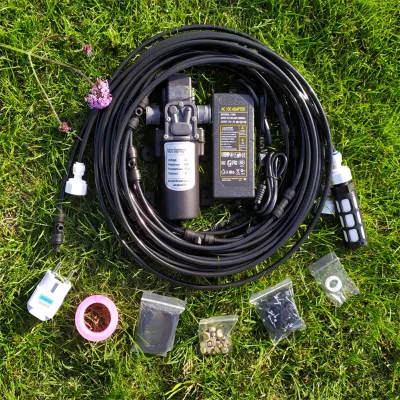
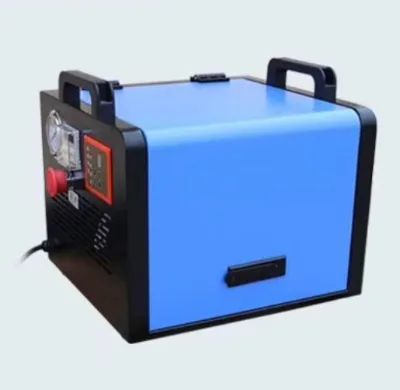
When sourcing a portable foldable cooling misting system, buyers must first distinguish between general irrigation components and specialized atmospheric cooling units. The market offers a spectrum of products ranging from simple garden sprinklers to complex industrial humidification systems. Based on observed product attributes, a true cooling misting system often relies on high-pressure micro-fog technology rather than standard vortex sprinkler mechanisms. The core functional difference lies in the atomization process; while some units utilize a "Vortex" type for broad irrigation, effective cooling systems typically employ a "High Pressure Micro Fog" or "Adjustable Mist Sprayer" to create fine droplets that evaporate rapidly, providing a cooling effect.
The material composition is a critical technical determinant. Many observed units feature a "Plastic" body with a "PE Polyethylene Tube" for water distribution. However, for high-pressure applications, the nozzle material is often specified as "brass" to withstand the internal pressure and prevent corrosion. The power source is predominantly "Electric," requiring a motor and pump as core components. Buyers should verify the specific power requirements and the presence of a "Water Shortage Power-off Protection" feature, which is essential for preventing motor burnout in dry conditions. Furthermore, the system's compatibility with external equipment, such as "Timers and Garden Water Pumps," expands its utility, allowing for automated operation cycles.
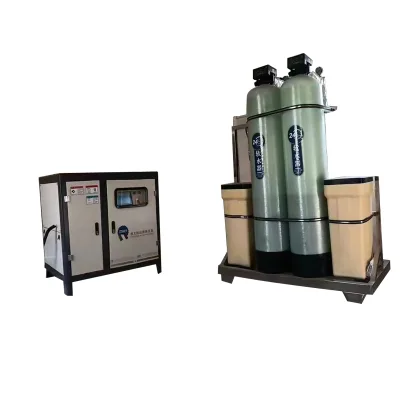
The water quality requirement is another technical constraint. Some high-end units specify "Demineralized Water" to prevent nozzle clogging and mineral buildup, which can degrade performance over time. In contrast, standard irrigation models may tolerate tap water. The flow regulation function is also a key specification; systems that support flow regulation allow users to adjust the mist density, balancing water consumption against cooling efficiency. The "Water-Saving Efficiency" of advanced units is often claimed to save up to 40% more water than ordinary sprayers, a metric buyers should verify through independent testing or supplier data sheets.
Compliance and Certification Verification
Navigating the certification landscape is vital for ensuring that a misting system meets safety and quality standards, particularly when the equipment is intended for use in diverse environments ranging from residential gardens to industrial facilities. The observed market data indicates a wide array of certifications, including "FDA," "ISO 9001," "ISO 22000," "SGS," "BSCI," "Grs," "RoHS," and "CE." However, the relevance of these certifications depends heavily on the intended application.
For systems intended for food processing or agricultural use where water contact is direct, "ISO 22000" and "FDA" compliance regarding material safety are paramount. These certifications ensure that the plastic components and water tubes do not leach harmful substances. "RoHS" certification is critical for electronic components, confirming that the device is free from specific hazardous materials, which is a standard requirement for export to many regions. "ISO 9001" indicates that the manufacturer has a robust quality management system, while "SGS" and "BSCI" provide third-party validation of product quality and social compliance in the supply chain.
Buyers must exercise caution when interpreting certification claims. While "CE" is frequently listed, it is a self-declaration in many contexts and requires rigorous verification against specific directives. Similarly, "ISO" is a broad term; buyers should request the specific standard number (e.g., ISO 9001:2015) rather than accepting a generic label. The "Grs" (Global Recycled Standard) is relevant for sustainability-focused procurement, indicating the use of recycled materials, which aligns with the observation that the "Main Material" is "Recyclable." It is essential to request valid, up-to-date certificates from the supplier and verify their authenticity through the issuing bodies before finalizing a procurement contract.
Cost Drivers and Pricing Structures
The pricing of portable foldable cooling misting systems is influenced by a complex interplay of factors, including material quality, technological complexity, and customization levels. The observed price range in the market spans from $2 to $3,000, reflecting the vast difference between a simple plastic nozzle attachment and a fully integrated, high-pressure electric unit with a motor and pump.
The primary cost driver is the inclusion of core mechanical and electrical components. Units featuring a "Motor" and "Pump" as core components command a significantly higher price point than passive irrigation accessories. The complexity of the "Installation Method" also affects cost; systems offering "Tool-Free Quick-Connect Installation" may carry a premium due to the engineering required for seamless integration. Additionally, the "Style" of the unit plays a role; "Floor Standing" models with a "Single Gross Weight" of 20.000kg and a "Single Package Size" of 50X35X30cm involve more material and logistics costs than compact, portable designs.
Customization is another significant variable. The market shows that "Customization" is available, including "OEM Custom" services and "Customizable" packaging details. Buyers requesting specific branding, unique color options (observed in both "White" and "Black"), or tailored dimensions will incur higher unit costs. The "Packaging Details" also impact the final price; a "Plywood Case" is more expensive than a standard "Carton" but offers superior protection for heavy or delicate equipment.
Minimum Order Quantity (MOQ) is a critical factor in the total cost of ownership. The observed MOQ range is 1 to 1000 units. Buyers purchasing small quantities may face higher per-unit costs but benefit from lower upfront capital expenditure. Conversely, bulk orders can leverage economies of scale, though the "Delivery Time" of 7-10 days suggests that lead times are generally short, reducing inventory holding costs. Buyers should also consider the "Warranty" period, typically "1year" for core components, as a longer warranty may indicate higher manufacturing quality and reduce long-term maintenance costs.
Typical Applications and Usage Scenarios
The versatility of portable foldable cooling misting systems allows them to be deployed across a wide range of sectors. The observed "Application" data highlights "Garden," "Greenhouses," and "Agriculture Irrigation" as primary use cases. In these environments, the "Humidification Method" of "Mist Discharge" helps regulate temperature and humidity, creating optimal growing conditions for plants. The "Water-Saving Efficiency" of these systems is particularly valuable in agriculture, where water conservation is a critical operational concern.
Beyond agriculture, the "Usage" category extends to "Car," "Home," and "Industry." In residential settings, these systems are often used for outdoor patio cooling, leveraging the "Easy to Install" feature for quick setup. The "Automatic" control and "Timing Function" allow homeowners to schedule misting cycles without manual intervention. In industrial contexts, the systems serve as evaporative cooling solutions for machinery or worker safety in hot environments. The "High Pressure Micro Fog" technology is effective in these scenarios, providing rapid cooling without wetting surfaces excessively.
The "Aromatherapy" feature is noted as "No" in many observed units, indicating that these are primarily functional cooling devices rather than scent diffusers. However, the "Usability" function suggests a focus on practical performance. The "Compatible Equipment" aspect, such as integration with timers and pumps, makes these systems adaptable to various operational workflows. Whether for a small home garden or a large industrial facility, the "Portable" and "Foldable" nature of the design ensures that the system can be easily moved and stored when not in use, adding to its utility in dynamic environments.
Supplier Evaluation and Sourcing Strategy
Evaluating suppliers for portable foldable cooling misting systems requires a multi-faceted approach that goes beyond price comparison. The "Factory Locations" are predominantly in "Anhui Province, China," a region known for manufacturing capabilities. Buyers should verify the supplier's production capacity, indicated by the "Supply Ability" of 10,000 pieces per month, to ensure they can meet demand without delays. The "Lead Time" of 7-10 days is a strong indicator of an efficient supply chain, but buyers must confirm if this applies to stock items or custom orders.
When assessing suppliers, the availability of "Free Sample" units is a crucial evaluation tool. This allows buyers to physically inspect the build quality, test the "Flow Regulation Function," and verify the "Water-Saving Efficiency" claims. The "Customization" options, including "OEM Custom" and "Packaging Details," should be discussed in detail to ensure the supplier can meet specific branding or technical requirements. The "Standard" of the product, often described as "plastic pipe and brass nozzle" or "Customizable," should be clearly defined in the contract to avoid ambiguity.
Buyers should also scrutinize the "Warranty of Core Components," which is typically 1 year. A supplier willing to offer a comprehensive warranty on the motor and pump demonstrates confidence in their product's durability. The "Certification" status should be verified through documentation, ensuring that claims like "ISO," "CE," or "RoHS" are valid and current. Finally, the "Recyclability" of the main material should be considered as part of the supplier's sustainability profile, aligning with corporate social responsibility goals.
Quality Control and Long-Term Procurement Considerations
Ensuring consistent quality in portable foldable cooling misting systems requires a robust quality control (QC) framework. Buyers should implement pre-shipment inspections that focus on critical attributes such as the integrity of the "PE Polyethylene Tube," the durability of the "brass nozzle," and the functionality of the "Electric" power components. The "Installation Method" should be tested to confirm that "Tool-Free Quick-Connect" mechanisms operate smoothly and securely.
Long-term procurement considerations include the availability of spare parts and the reliability of the "Core Components" like the motor and pump. The "Warranty" period is a key indicator of product longevity, but buyers should also inquire about the supplier's policy for out-of-warranty repairs. The "Single Gross Weight" and "Single Package Size" are important for logistics planning, especially for international shipments. The "prod_packing" method, whether "Carton" or "Plywood Case," must be sufficient to protect the unit during transit.
Buyers should also consider the "Water" quality requirements for long-term operation. If the system requires "Demineralized Water," the procurement strategy must include the sourcing of appropriate water treatment solutions. The "Flow Regulation Function" should be tested for consistency over time to ensure that the "Water-Saving Efficiency" claims remain valid. Finally, the "Characteristics" of the system, such as "Save Water" and "Water Misting," should be monitored to ensure they continue to meet the buyer's operational needs as usage patterns evolve. By maintaining a focus on these technical and logistical details, buyers can secure a reliable supply of high-performance cooling misting systems.
FAQs
What certifications do portable foldable cooling misting systems typically have?
These systems often carry FDA, ISO 9001, ISO 22000, SGS, BSCI, Grs, RoHS, and CE certifications. Buyers should verify specific documents for material safety and quality management to ensure compliance with international standards.
How long is the delivery time for these cooling misting systems?
The standard delivery time is 7 to 10 days from the factory in Anhui Province, China. This lead time applies to most stock items, though custom orders may require additional processing time.
Can I get a free sample before placing a bulk order?
Yes, free samples are available for potential buyers to inspect product quality. This allows verification of features like water-saving efficiency and installation methods before committing to a larger purchase.
What is the minimum order quantity for these misting systems?
The minimum order quantity ranges from 1 to 1000 units depending on the supplier and customization needs. Small buyers can start with single units, while bulk discounts often apply to larger quantities.
Which materials are used in the construction of these systems?
The main body is typically made of plastic with PE polyethylene tubes and brass nozzles. These materials ensure durability and corrosion resistance while maintaining the lightweight nature required for portable applications.
How much water do these systems save compared to ordinary sprayers?
Advanced units claim to save 40% more water than ordinary sprayers through high-pressure micro-fog technology. This efficiency is achieved by adjusting mist density and flow regulation functions for optimal coverage.
What is the warranty period for core components like motors and pumps?
The warranty for core components such as motors and pumps is typically 1 year. This coverage protects against manufacturing defects and ensures reliability during the initial period of operation.